Falls are the leading cause of injury for adults aged 65 years and older, yet most are preventable. A structured fall-prevention approach, combining physical conditioning, environmental changes, and appropriate protective devices, helps people live independently longer. This guide covers the risk factors, exercises, mobility aids, fall-prevention devices, and wearable technology that enable it.
Why Falls Happen and How to Assess Your Risk
While some falls come out of nowhere, most involve compounding factors that build quietly. Which is exactly what makes fall prevention both achievable and worth pursuing systematically.
What’s Happening Inside the Body
Intrinsic risk factors are rooted in physiology. Muscle loss in the hips and lower legs reduces stability during walking. Age-related changes in the inner ear and vision slow the body’s ability to correct a balance shift before it becomes a stumble. Peripheral neuropathy dulls foot sensation, making uneven surfaces harder to detect. Medications for blood pressure, sleep, and anxiety frequently cause dizziness or orthostatic hypotension, a sudden drop in blood pressure when standing, which is a leading driver of elderly fall prevention concerns.
What’s Happening Around You
Loose rugs, slick bathroom floors, dim hallways, and shoes without adequate grip are the most common causes of slips, trips, and falls. Stairs without handrails add further risk.
Two Clinically Validated Self-Assessments
The Timed Up and Go test takes under a minute: stand from a chair without using your arms, walk ten feet, return, and sit. Under twelve seconds generally signals low risk.
The CDC’s STEADI framework guides clinicians through screening fall history, assessing gait and balance, and intervening with targeted exercises or medication review, forming the backbone of any structured fall prevention program.
Exercises to Improve Strength, Balance & Endurance
A structured fall-prevention program built around exercise reduces fall risk by a measurable amount in older adults. The key is targeting the right physical capacities, not just staying active in general.
Dynamic Balance: Teaching Your Body to Self-Correct
- Heel-to-toe walking trains the nervous system to manage weight shifts during forward movement, exactly what fails during a trip. Walk a straight line, placing the heel of your front foot directly against the toes of your back foot. Aim for two lengths of a hallway daily, using a wall for safety initially.
- Single-leg stands build proprioception, the body’s ability to sense position without looking down. Stand near a counter, lift one foot slightly off the floor, and hold for up to thirty seconds. Repeat on each side twice daily.
Lower-Body Strength: The Foundation of Stable Movement
- Chair stands develop the quad and glute strength needed for safe transfers and stair use. Rise from a chair without pushing off with your hands, then lower slowly. Ten repetitions, twice a day, produce meaningful gains within weeks.
- Seated leg raises target hip flexor and quad endurance for people who need a lower-intensity starting point. Straighten one leg from a seated position, hold briefly, and lower. Alternate legs for two sets of twelve.
Evidence-Backed Programs Worth Seeking Out
- The Otago Exercise Program, developed in New Zealand specifically for elderly fall prevention, combines leg strengthening with balance exercises and has strong clinical backing.
- Tai Chi, particularly the evidence-based Sun style adapted for fall prevention for seniors, improves both dynamic balance and confidence through slow, controlled movement sequences. Both are widely available through local senior centers and telehealth platforms.
Aim for at least three sessions per week across all exercise types to support a complete slip, trip, and fall prevention routine.
Mobility Aids and Assistive Devices
Assistive devices reduce fall risk most effectively when matched to a person’s specific mobility pattern and used consistently as part of a broader fall prevention program.
Matching the Aid to the Need
- Standard canes are suitable for mild balance impairment on level surfaces.
- Quad canes offer more stability for people with one-sided weakness.
- Rollators add a seat and hand brakes, well-suited for those who fatigue quickly.
A physical therapist can assess gait and recommend the appropriate device height and type, as an ill-fitting cane can worsen instability.
Home Modifications That Close the Gap
- Grab bars mounted beside the toilet and inside the shower address the highest-risk moments of a senior’s day.
- Non-slip bath mats with suction backing add traction where floors get wet.
- Bed rails assist with nighttime transfers, a common trigger in elderly fall prevention failures.
- Stair lifts reduce the risk of stair navigation for those with significant lower-body weakness.
- For slip, trip, and fall prevention indoors, low-heeled shoes with non-slip soles and a firm heel counter outperform bare feet and soft slippers.
Fall Detection Devices and Alert Systems
Even the most diligent fall-prevention strategy for seniors leaves a gap: the moment a fall actually happens. Fall prevention devices exist to close that gap, connecting the wearer to help when exercise, aids, and home modifications aren’t enough.
Who Responds Matters as Much as How Fast
Most fall detection devices route alerts one of three ways: to a 24/7 professional monitoring center, directly to 911, or to pre-selected family contacts. Monitoring centers offer the most complete response. A trained operator already has the wearer’s medical history, address, gate codes, and emergency contacts on file and can dispatch the appropriate help or simply call a neighbor, depending on the situation. Routing directly to 911 skips that context entirely, and family contacts can miss alerts at inconvenient hours.
Wearability Is the Variable Most Buyers Overlook
A fall detection device only works when someone’s wearing it. Devices that require nightly removal for charging create predictable coverage gaps, including nighttime bathroom trips, one of the most common fall scenarios in elderly fall prevention.
For a complete breakdown of device types, responder options, and pricing red flags, this Medical Alert Buyer’s Guide covers the full landscape.
Wearable Protection That Goes Everywhere With You
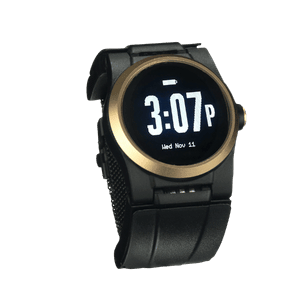
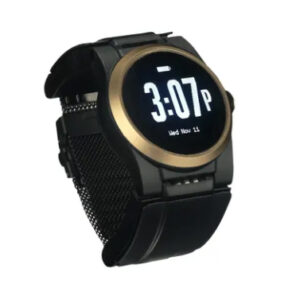
The Kanega Watch addresses the wearability problem directly:
A patented quick-swap battery system means you never remove it to charge, delivering genuine around-the-clock coverage.
RealFall™ technology, trained on actual fall data from real wearers, becomes more accurate over time as it learns your natural movement patterns.
Dual WiFi and Verizon cellular connectivity keep you covered at home and anywhere across the country.
Need help? You’ve got three ways to reach out: press the crown button, speak a voice command, or let automatic fall detection kick in. All three connect instantly to a US-based monitoring center that already knows who you are.