Being a caregiver for the elderly looks different for every family, but the underlying questions are often the same: what kind of support does my loved one actually need, and how do I make sure they’re safe when I’m not there? This guide covers the main types of elderly caregivers, how wearable technology fits into a modern care plan, and which device features matter most when safety is non-negotiable.
What It Really Means to Be a Caregiver for an Elderly Person
Being a caregiver for the elderly rarely starts with a formal decision. It often begins with a phone call or a quiet realization that a parent or grandparent needs more support than family visits can offer.
The role of an elderly caregiver covers far more ground than most families anticipate. On any given day, it can mean coordinating specialist appointments, managing a medication schedule, preparing meals, helping with bathing or mobility, and staying alert to signs of cognitive decline, all while holding down a job and raising a family of your own.
What makes the role genuinely hard is the accumulation. Each individual task is manageable. The combination, sustained over months or years, is where caregivers run into exhaustion, grief, and a persistent sense of being spread too thin.
Safety monitoring deserves its own mention. An elderly caregiver carries a specific kind of mental load: the background worry about what’s happening when they’re not in the room. Falls, medication errors, and sudden health events don’t follow a schedule, and that unpredictability sits with caregivers around the clock.
Families who understand the real scope of caregiving for the elderly from the start make better decisions about support systems, about technology, and about their own sustainability in the role.
Types of Elderly Caregivers: Which One Is Right for Your Family
No single caregiving arrangement works for every family. The right fit depends on your loved one’s health needs, daily routine, living situation, and the family’s ability to provide realistic hands-on support.
1. Family Caregivers
Most elderly care begins at home, with a family member stepping into the role of caregiver. A spouse, adult child, or sibling takes on daily tasks, often without formal training. Family caregivers offer familiarity and emotional continuity, which older adults genuinely value. The tradeoff is sustainability: family caregivers are among the most at risk for burnout, especially when they’re managing care alongside full-time work.
2. Professional Elderly Home Caregivers
An elderly home caregiver hired through a private arrangement or staffing platform brings trained, consistent support into the home. Depending on the need, they can assist with personal care, medication reminders, meal preparation, and mobility. For families where no one lives nearby, a professional elderly home caregiver often becomes the primary daily presence.
3. Elderly Caregiver Services Through Agencies
Agency-based elderly caregiver services add a layer of oversight: background-checked staff, backup coverage when a caregiver calls in sick, and liability protection. Costs are higher than in private arrangements, but the reliability tends to justify the higher costs for families managing complex medical needs.
4. Caregiver Support Groups for Elderly Patients
Caregiver support groups for elderly patients serve a different function. Rather than providing direct care, they offer family caregivers peer connection, practical guidance, and a structured outlet for the emotional weight of the role. Many hospitals, senior centers, and nonprofits run these groups locally and online, making them accessible regardless of geography.
How Wearable Technology Supports Elderly Care
Wearable technology has changed what’s possible for caregivers for the elderly, particularly for those managing care from a distance or juggling multiple responsibilities. A device worn on the wrist can now do work that previously required someone physically in the room:
-
- Fall detection: Falls are the leading cause of injury-related hospitalization among older adults, and the most dangerous scenario is one where no one knows a fall happened. Wearables with automatic fall detection close that gap by sending an alert to a monitoring center or designated contacts the moment a fall is registered, without requiring the wearer to press a button.
- Location tracking: For an elderly home caregiver supporting someone with early-stage dementia or a tendency to wander, real-time GPS tracking shifts the dynamic from reactive to informed. Caregivers can confirm the location at any point without making repeated phone calls that can feel intrusive to the wearer.
- Continuous monitoring vs. periodic check-ins: A phone call once or twice a day leaves long gaps in monitoring. Wearable devices connected to professional monitoring centers provide 24/7 coverage, so a caregiver for elderly family members working night shifts or living in a different time zone doesn’t have to rely on hoping their loved one picks up the phone.
- Medication and daily reminders: Many wearables now support medication reminders delivered directly to the device. For an elderly caregiver managing a complex prescription schedule, having the device prompt the wearer directly reduces the risk of missed doses and takes one more coordination task off the caregiver’s plate.
The Kanega Watch Features Every Caregiver Relies On
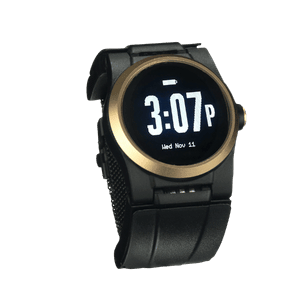
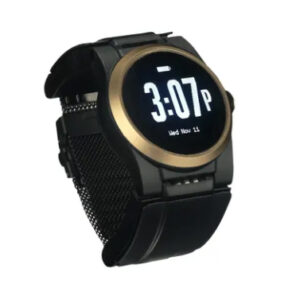
For a caregiver managing elderly care remotely, the specific capabilities of a device matter as much as its general category. The Kanega Watch was built around a set of features that directly address what elderly caregivers encounter in practice.
- RealFall™ fall detection that learns over time: Most fall detection systems use generalized motion thresholds. The Kanega Watch’s RealFall™ technology was developed using actual fall data from real wearers, which means it’s calibrated to how older adults actually move and fall, not how engineers predicted they would. It also gets smarter over time, learning each wearer’s natural movement patterns to reduce false alerts. For an elderly caregiver who’s dealt with a loved one removing a device after too many false alarms, that distinction carries real weight.
- A battery system built for real 24/7 wear: The swappable battery system is one of the Kanega Watch’s most caregiver-relevant features. Rather than removing the watch to charge it, the wearer swaps two small batteries in the band for a fully charged set, a process that takes under a minute and keeps the watch on the wrist throughout. For caregivers of elderly family members who worry most about nighttime falls, knowing the device is never sitting on a nightstand charging is a meaningful reassurance.
- Dual connectivity: Most medical alert devices rely solely on cellular, which creates coverage gaps in interior rooms with thick walls. The Kanega Watch connects to home Wi-Fi indoors and switches to the Verizon cellular network outside the home. For an elderly home caregiver whose loved one spends time in a bathroom or basement where cell signals weaken, the WiFi layer provides the reliability that cellular alone can’t guarantee.
- Three ways to reach help: Pressing the crown button, speaking a voice command, or triggering automatic fall detection all connect directly to a US-based monitoring center, staffed around the clock by trained operators who already have the wearer’s profile on file, including emergency contacts, medical information, and home access details. When a caregiver for the elderly can’t always be the first responder, having a monitoring center that knows who the wearer is and can act immediately fills that gap in a way that a 911 call alone does not.
If any of these features sound like what you’ve been looking for, see how the Kanega Watch works and whether it’s the right fit for your situation.