Choosing an SOS watch in 2026 means navigating a market where every device claims to keep you safe, but the differences between them are anything but cosmetic. For anyone researching an SOS smartwatch for elderly parents or themselves, this guide covers what to look for, what to avoid, and which device deserves a serious look.
Is an SOS Smartwatch Right for You?
A dedicated SOS watch and a general smartwatch are built for fundamentally different purposes, and confusing the two creates gaps in protection that only become apparent when it’s too late.
- If you’re active, live alone, or split time between locations, a wrist-worn SOS smart watch gives you cellular and GPS coverage wherever you go. Home-based systems with a base station are simpler and often more affordable, but they stop working the moment you walk out the front door.
- The Apple Watch emergency SOS feature connects you directly to 911. A dedicated SOS-connected watch routes your alert to a trained monitoring specialist who knows your name, medical history, and emergency contacts. Emergencies get addressed faster, and non-critical situations can be handled discreetly by contacting a friend or family member.
- An SOS smartwatch for elderly users with a history of falls offers automatic detection that triggers even when pressing a button isn’t possible. If that describes your situation or a loved one’s, a dedicated device purpose-built for life safety is the right starting point.
The 5 Questions to Ask Before You Buy
The SOS watch market is crowded with devices that look similar on paper but perform very differently in an actual emergency. Ask these five questions before you hand over your payment details:
- Will you actually wear it around the clock? A device sitting on a nightstand protects no one. Look for an SOS smartwatch for elderly users that’s comfortable enough to sleep in, water-resistant enough for showers, and discreet enough that wearing it doesn’t feel like a daily announcement of vulnerability. If the design makes someone self-conscious, it won’t stay on the wrist.
- Who picks up when you call for help? Some devices dial 911 directly. Others connect you to a trained monitoring specialist who already has your address, medical conditions, and emergency contacts on file. For situations that don’t warrant an ambulance, that second option is considerably more useful. Ask specifically whether the monitoring center operates 24/7/365 and what certifications it holds.
- Does it work without a smartphone nearby? Many SOS-connected watch options require a paired iPhone or Android device to access their full feature set. A truly standalone device has its own cellular connection and switches automatically between home WiFi and cellular coverage outside, with no phone required at any point.
- How does charging work? Standard docking systems leave you unprotected for however long the device is off your wrist. Some SOS watch models solve this with swappable batteries that you can replace in under a minute without removing the watch, maintaining continuous protection.
- What does the monthly fee actually cover? Advertised base rates for an SOS smart watch often exclude fall detection, cellular data, and shipping. Get the all-in number before comparing plans, and confirm whether the device is leased or owned, since that affects what happens when you cancel.

What Separates a Good SOS Smartwatch From a Great One
Most SOS watch devices clear a basic functional bar. The gap between adequate and genuinely reliable shows up in technical details that don’t appear on comparison charts.
Fall Detection Trained on Reality
Most fall detection algorithms are built on simulated data, meaning controlled lab drops rather than the slow slides and off-balance stumbles that real falls actually look like. A system trained on actual wearers learns a wider range of movement patterns and, critically, generates fewer false alerts over time. Repeated false alarms are the leading reason people stop wearing their device altogether.
Connectivity That Doesn’t Drop at the Front Door
A strong SOS-connected watch maintains dual connectivity: WiFi inside the home, where cellular signals are often weakest, and nationwide cellular coverage everywhere else, switching between the two automatically without user input.
The Response Chain Behind the Button
The Apple Watch emergency SOS function connects directly to 911, which works for clear-cut emergencies. A dedicated SOS smartwatch for elderly users routes alerts to a trained monitoring specialist who can assess the situation, contact family for minor incidents, and dispatch emergency services when necessary. For the full range of situations people actually face, a structured response chain is more practical than a direct 911 dial.
Wearability as a Safety Specification
An SOS watch built for round-the-clock wear needs a high-contrast display, water resistance for shower use, and controls simple enough to operate under stress. Touchscreen-heavy interfaces tend to fail the moment fine motor control is compromised.
The Biggest Mistake Buyers Make
Most people shop for an SOS watch the same way they shop for a phone: they compare prices, recognize a brand name, and pick the option that feels like a reasonable deal. Brand recognition and monthly cost are the two least useful filters in this category.
The device that protects you is the one you’re actually wearing when something goes wrong. An SOS smart watch for elderly users that looks clinical, triggers constant false alarms, or requires nightly removal to charge will end up in a drawer. A cheaper SOS-connected watch that someone stops wearing within a month costs far more than a well-designed device worn every day for years.
Before comparing any other feature, ask whether the person who needs this device will genuinely wear it around the clock. Every other specification is secondary to that answer.
Why the Kanega Watch Deserves a Spot on Your Shortlist
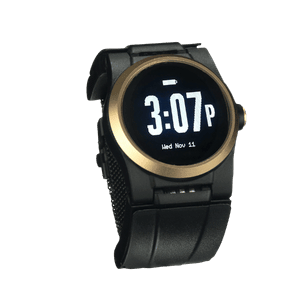
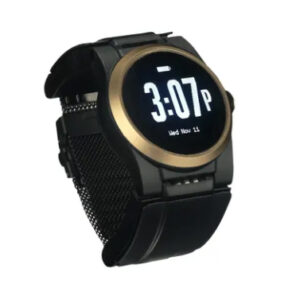
The Kanega Watch is a purpose-built SOS watch with four concrete advantages worth knowing: patented RealFall™ fall detection technology trained on actual falls from real wearers, a swappable battery system that keeps the watch on your wrist around the clock, full standalone operation with no smartphone required, and direct connection to a U.S.-based Five Diamond-certified monitoring center. A 30-day trial makes it a low-risk starting point for anyone still weighing their options.