
A few months ago, we shared a story about celebrity impersonation scams and how criminals were using fake online relationships to steal money from older adults.
Unfortunately, the problem hasn’t gone away.
In fact, it has evolved.
Today, scammers don’t always pretend to be movie stars, musicians, or famous personalities. Thanks to advances in artificial intelligence, they can now impersonate people you actually know.
Your son.
Your granddaughter.
A close friend.
Even your bank.
And sometimes, the voice on the phone can sound frighteningly real.
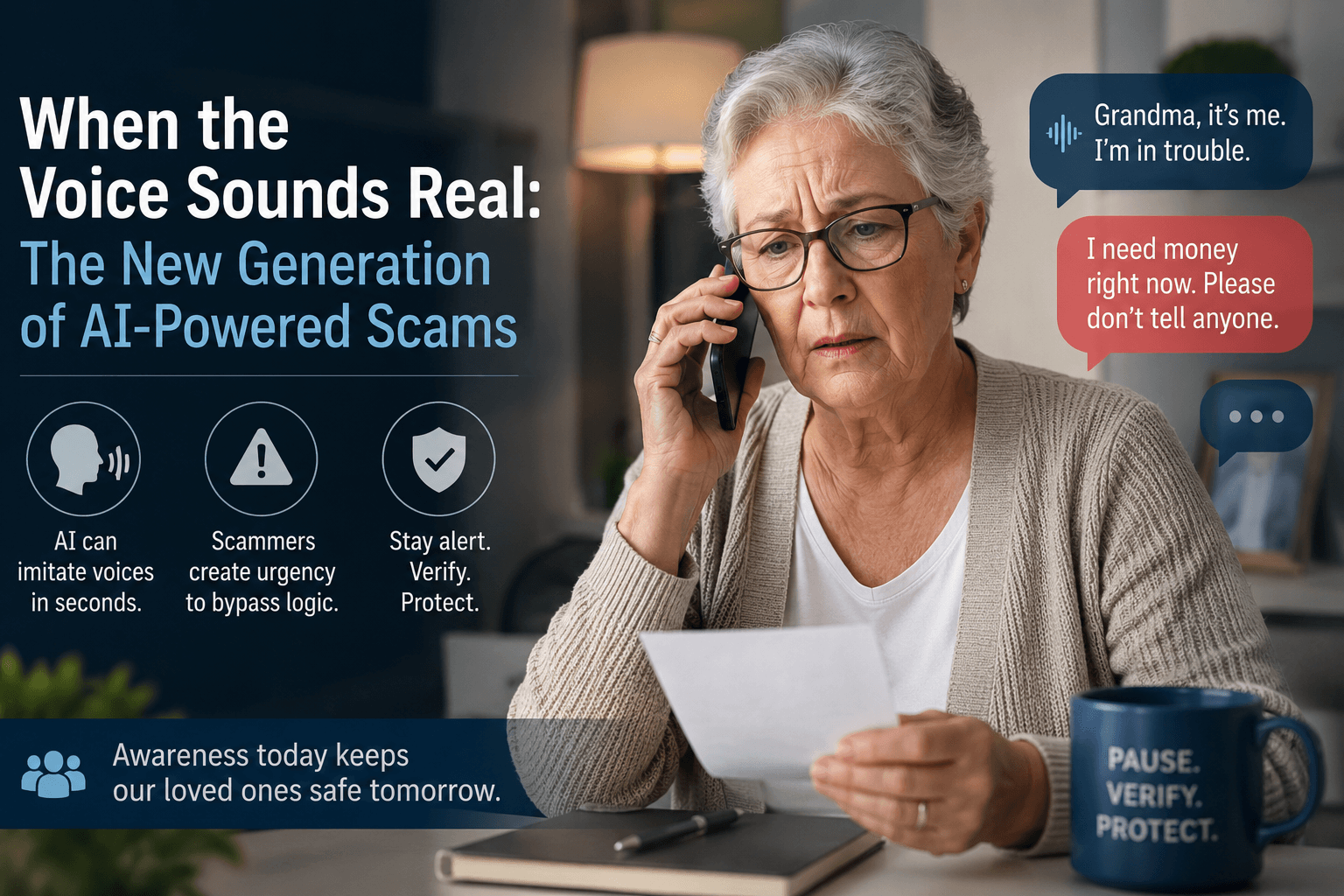
Imagine receiving a phone call from someone claiming your grandchild has been arrested and needs money immediately.
Then you hear your grandchild’s voice crying in the background.
Most people would react instantly.
That is exactly what scammers are counting on.
Recent reports have highlighted cases where criminals used AI-generated voice technology to mimic the voices of family members and convince victims that a loved one was in danger. In some cases, thousands of dollars were lost before families realized the emergency never happened.
These scams are successful because they bypass logic and target emotion.
Fear.
Urgency.
Love.
The stronger the emotional reaction, the less time people have to stop and think.
While the technology is new, the warning signs remain surprisingly familiar.
Be cautious if someone:
Whether the scammer is pretending to be a celebrity, a romantic partner, a grandchild, or a government official, urgency is almost always part of the script.
Romance scams remain one of the most financially devastating schemes affecting older adults.
The difference today is that AI makes these scams more convincing than ever.
Scammers can create realistic photos, personalized messages, fake video clips, and even voice recordings. Some criminals spend weeks or months building trust before asking for money, investments, travel expenses, or emergency assistance.
If someone you have never met in person asks for money, financial help, investment opportunities, or gift cards, treat it as a major warning sign.
One of the best defenses against scams is communication.
Families should talk openly about:
Consider creating a family “safe word” or verification phrase that can be used during emergencies. If a caller claims to be a loved one in trouble, ask for the safe word before taking any action.
That simple step can prevent a costly mistake.
Scammers win when they create panic.
The next time a message, email, text, or phone call creates an overwhelming sense of urgency, pause.
Call a family member.
Verify independently.
Hang up and call back using a known phone number.
Take a few minutes to confirm the facts.
Legitimate emergencies can withstand a short delay. Scammers depend on the idea that you won’t take one.
Technology continues to create new opportunities for connection, but it also creates new opportunities for fraud.
The best protection is a combination of awareness, communication, and healthy skepticism.
If something feels unusual, too urgent, or too good to be true, trust your instincts and verify before you act.
A few extra minutes could save thousands of dollars, and prevent a great deal of heartache.
Our mission is to extend independence with dignity for millions of vulnerable people. Read more


All AARP members and Military Veterans receive a FREE month added onto the end of the first year of service (offers cannot be combined). Use coupon code AARP or Veteran during checkout (right before you enter your credit card information) or mention it when ordering over the phone (888-343-1513).
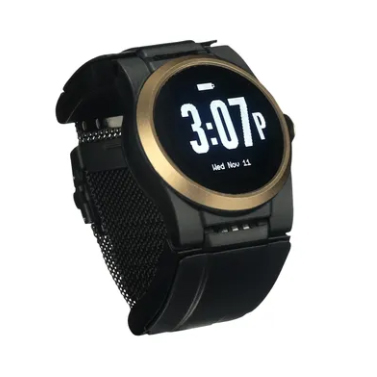
UnaliWear’s patented RealFall™ technology is based on actual fall data from Kanega Watch wearers and gets smarter about each wearer’s personal movements over time— continuously improving fall detection accuracy and limiting/eliminating false alerts. No other medical alert system offers this real fall/related movement learning and continuous improvement technology. Click here to learn more.