
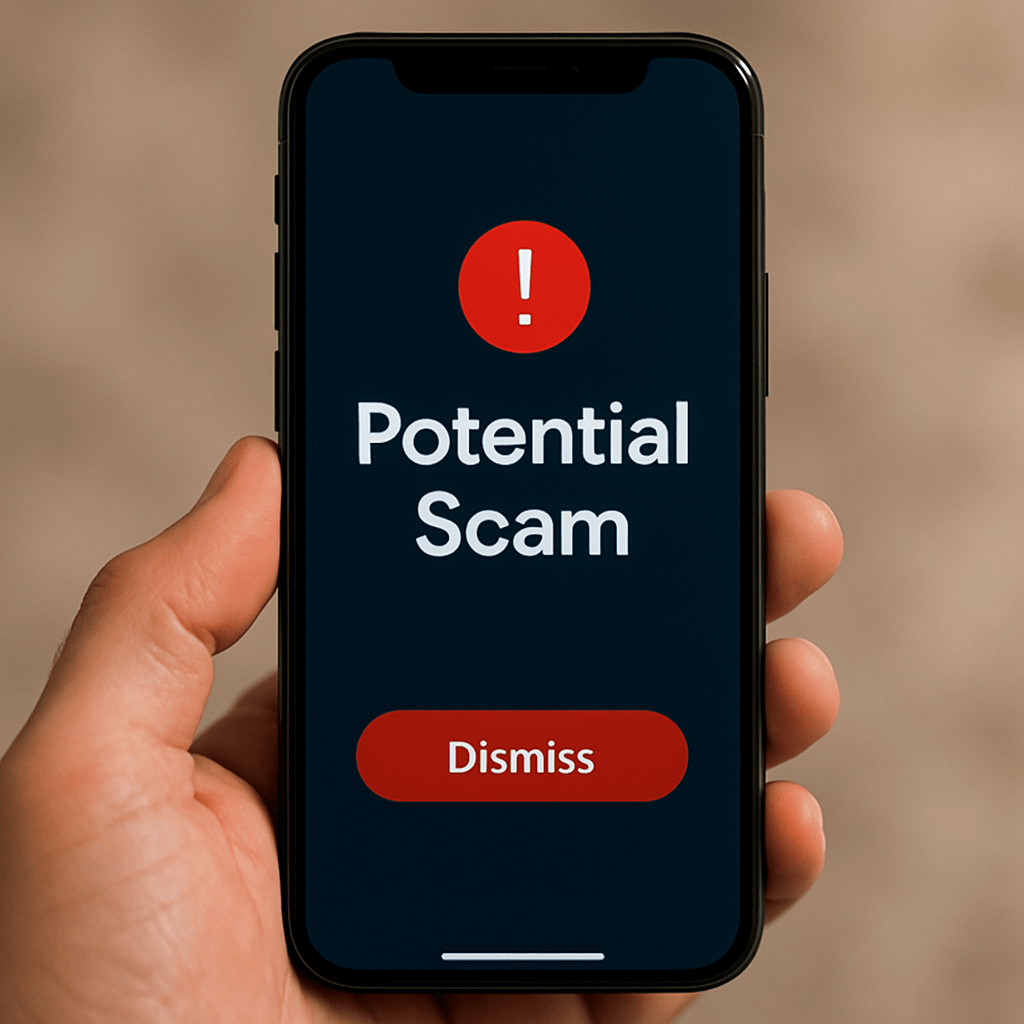
In our digital age, the thrill of connecting with a celebrity, an online influencer, or a “famous” name can be overpowering, especially for vulnerable populations like older adults who may value the promise of connection, trust, or recognition. But fraudsters are increasingly preying on this desire by posing as celebrities, using this guise to manipulate seniors, emotionally and financially.
Put simply, a celebrity-imposter scam occurs when a fraudster pretends to be a famous person (a movie star, musician, athlete, influencer, etc.) in order to cultivate trust, create a relationship (through messages, video calls, social media posts), and then use that relationship to ask for money, gifts, personal information or access.
As one article explains: “A celebrity imposter scam happens when a fraudster pretends to be a famous person to win trust and take money or personal details.”
These scams often combine emotional appeals (flattery, romance, friendship) with urgent or secret-requests (e.g., “You’re the only one I trust,” “This is off-the-record,” “I need you to help me financially,” etc.).
For seniors, the risk factors can include:
Here are a couple of real world instances that show how the scam can play out, one driven by romance/relationship, one by celebrity/endorsement style.
In one widely reported case, a 67-year old widow in San Diego believed she was communicating with Keanu Reeves. The fraudster initially asked her to send a $500 gift card; later, the impersonator(s) claimed to be Reeves and his “management team,” they asked for Bitcoin and other transfers, over a two year period she reportedly sent more than $60,000. Eventually the scam collapsed and she realized it wasn’t really him.
This example highlights how imposter scams can combine: a celebrity persona, an emotional relationship (romance), requests for frequent money transfers (gift cards, cryptocurrency) and time to build the relationship and trust.
In another case, Helen Mirren publicly warned her fans in June 2025 that scammers were using her name and likeness in a fake‐charity e-mail (“helenmirrencharity@gmail.com”) offering large sums of money and asking for a response. She clarified: “THIS IS NOT ME and it is not my email address, please beware and do not respond.”
While this may not (yet) be specifically a case of a senior being scammed, it clearly demonstrates the “celebrity imposter with a cause” angle that could easily be used to target older or more trusting individuals.
In another case, a 73-year old grandmother from the Seattle area was defrauded of at least $20,000 by a scam artist posing as Ari Melber, a well-known news anchor. The scam began with Facebook messages appearing to be from Melber, then requests for money and gift cards under the guise of helping a “sick dog.” At one point the victim was about to fly to New York to meet him when her family intervened.
While this did not explicitly target seniors exclusively via a celebrity figure, it shows how the “trusted public figure” facade can be used to lure vulnerable older adults into handing over money.
Here are practical steps to help prevent or limit harm from celebrity-imposter scams:
✅ Celebrity Imposter Scam Safety Checklist
The underlying playbook of these scams isn’t just “pretend to be a celebrity”, it’s “exploit trust, emotion and urgency”. For seniors, who may naturally value kindness, connection and recognition, the line between a friendly chat and a manipulative pitch can blur.
But the good news: awareness is one of the strongest defenses. Knowing that “celebrities don’t randomly message you asking for gift cards or crypto” helps you pause, question, verify. Talking openly about what seems “special” or “personal” in an online relationship can diffuse the isolation and secrecy that scammers rely on.
If you or someone you care about suspects they’re being targeted, act quickly. You are not alone. Many resources exist to help.
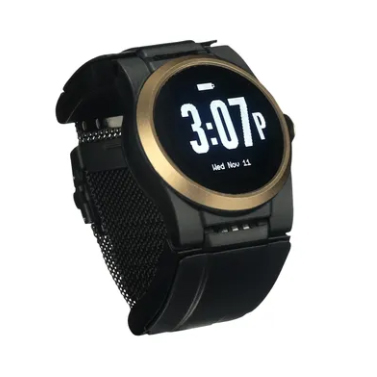
Our mission is to extend independence with dignity for millions of vulnerable people. Read more


All AARP members and Military Veterans receive a FREE month added onto the end of the first year of service (offers cannot be combined). Use coupon code AARP or Veteran during checkout (right before you enter your credit card information) or mention it when ordering over the phone (888-343-1513).
If you want to order multiple watches, great! Otherwise, please click the cart icon and remove any extras from your cart prior to checking out. Contact our sales line at 1-888-343-1513 if you need assistance.

UnaliWear’s patented RealFall™ technology is based on actual fall data from Kanega Watch wearers and gets smarter about each wearer’s personal movements over time— continuously improving fall detection accuracy and limiting/eliminating false alerts. No other medical alert system offers this real fall/related movement learning and continuous improvement technology. Click here to learn more.