
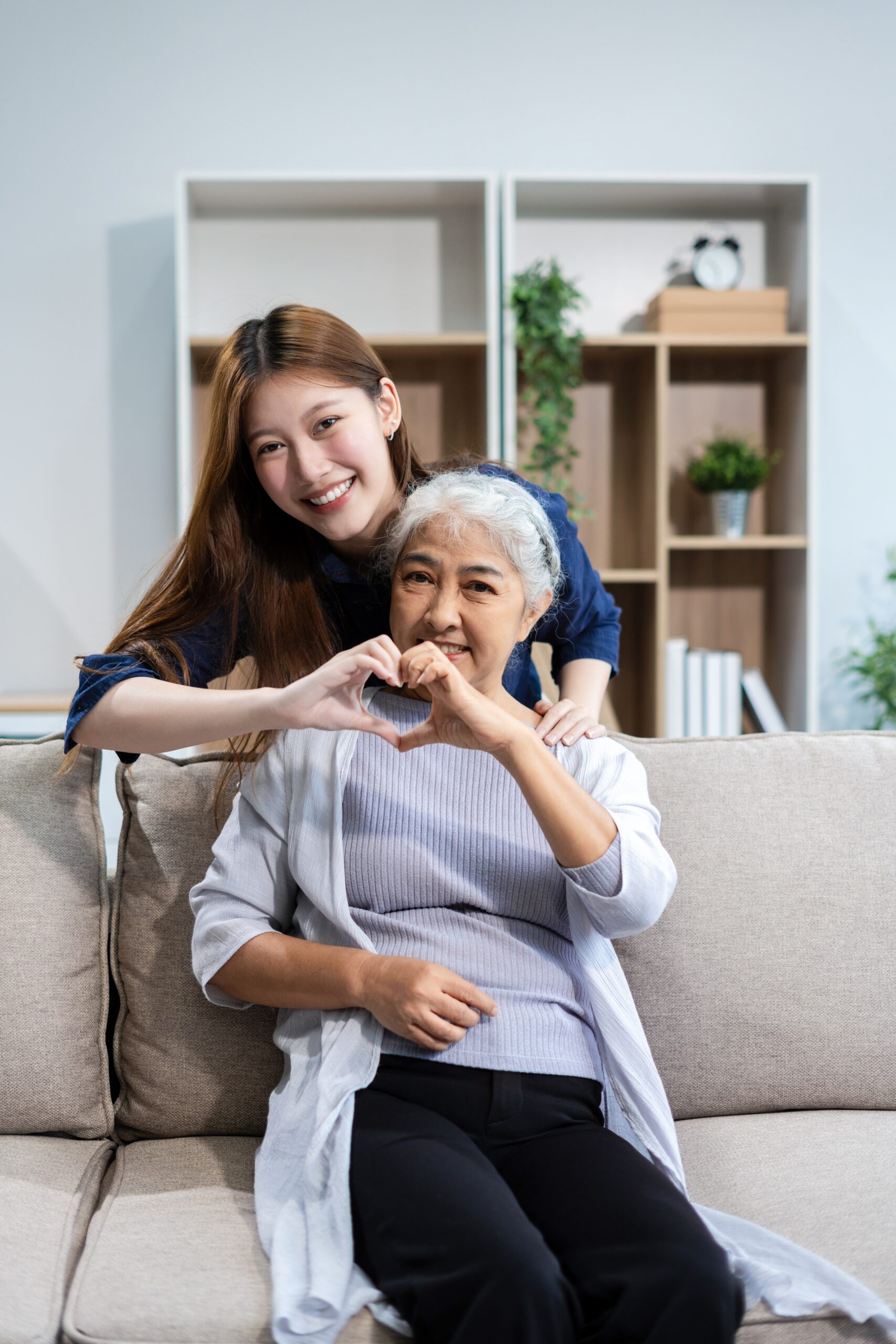
Caregiving is an act of love, but it’s also demanding, emotional, and often exhausting.
Many caregivers don’t plan to become caregivers. It happens gradually: helping with errands, managing appointments, checking in more often… until one day, it becomes a role that touches every part of life.
And too often, caregivers forget one important person in the process: themselves.
Caregivers carry more than schedules and responsibilities. They carry worry, emotional labor, and the constant mental checklist of “what if.”
Common caregiver challenges include:
And yet, many caregivers hesitate to admit how heavy it feels, because they love the person they’re caring for.
Supporting a loved one doesn’t require sacrificing your own health or well-being.
In fact, caregiver burnout can lead to:
Caring for yourself isn’t selfish, it’s essential.
Self-care doesn’t have to mean spa days or long vacations (though those are nice if you can get them). Often, it’s about small, sustainable habits:
Sometimes the most helpful form of self-care is knowing you’re not the only safety net.
Caregiving doesn’t have to be a solo effort.
Technology, routines, and trusted support systems can help distribute responsibility, giving caregivers space to rest while ensuring loved ones remain safe and supported.
Peace of mind isn’t about stepping away from care, it’s about creating balance.
If you’re a caregiver, your compassion matters. Your effort matters. And your well-being matters just as much as the person you’re supporting.
This February, let love include yourself too.
Caring deeply doesn’t mean carrying everything alone, it means building support that allows everyone to thrive.
Caregiving is rarely one big moment, it’s the accumulation of many small responsibilities carried over time. To help caregivers recognize early signs of burnout and protect their own well-being, we’ve created a simple checklist. It isn’t about doing more, it’s about caring more sustainably.
This checklist is designed to support caregivers in ways that align with compassionate, shared care, not pressure or perfection.
☐ I notice stress or fatigue without criticizing myself
☐ I accept that caregiving can be emotionally heavy and meaningful
☐ I talk openly with at least one trusted person
☐ I understand that burnout is a signal not a failure
☐ I allow myself time away without guilt
☐ I set realistic expectations for what I can manage
☐ I recognize when constant vigilance is draining me
☐ I remind myself that rest supports better caregiving
☐ I accept help when it’s offered
☐ I identify tasks others can realistically assist with
☐ I use routines, tools, or systems that reduce constant worry
☐ I remember that being the sole safety net is not sustainable
☐ I prioritize sleep whenever possible
☐ I eat regularly, even if meals are simple
☐ I move my body in small, manageable ways
☐ I keep my own health appointments
☐ I give myself permission to step out of “what-if” thinking
☐ I take brief moments to pause or reset during the day
☐ I acknowledge what I have handled, not just what remains
☐ I accept that I cannot control every outcome
☐ Caring for myself strengthens the care I give others
☐ Support systems protect both caregivers and loved ones
☐ I am allowed to need reassurance too
☐ I remind myself: I am doing my best and that is enough
Supporting someone you love doesn’t require carrying everything alone. Sustainable caregiving comes from compassion, shared responsibility, and permission to rest.
When caregivers are supported, everyone benefits.
Tools that provide reassurance can help reduce constant worry, allowing caregivers to rest while knowing help is available if needed.
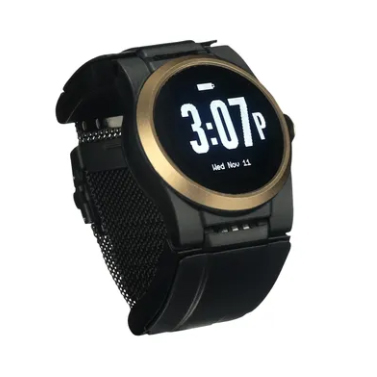
Our mission is to extend independence with dignity for millions of vulnerable people. Read more


All AARP members and Military Veterans receive a FREE month added onto the end of the first year of service (offers cannot be combined). Use coupon code AARP or Veteran during checkout (right before you enter your credit card information) or mention it when ordering over the phone (888-343-1513).
If you want to order multiple watches, great! Otherwise, please click the cart icon and remove any extras from your cart prior to checking out. Contact our sales line at 1-888-343-1513 if you need assistance.

UnaliWear’s patented RealFall™ technology is based on actual fall data from Kanega Watch wearers and gets smarter about each wearer’s personal movements over time— continuously improving fall detection accuracy and limiting/eliminating false alerts. No other medical alert system offers this real fall/related movement learning and continuous improvement technology. Click here to learn more.