
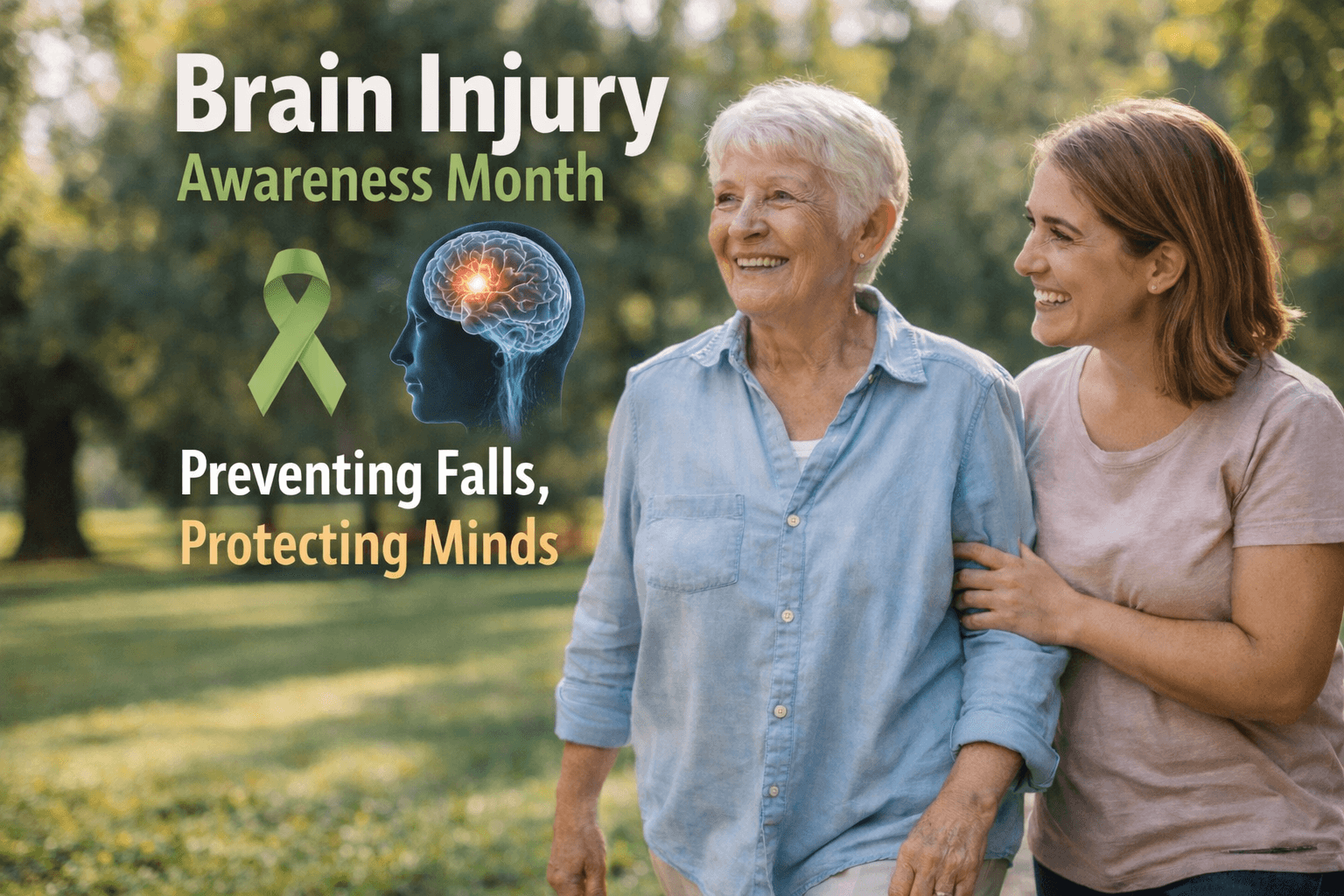
March is Brain Injury Awareness Month, a time to raise awareness about how brain injuries occur and how many of them can be prevented.
For older adults, one of the leading causes of traumatic brain injury (TBI) isn’t sports or car accidents, it’s falls.
The encouraging news is that many fall-related injuries can be prevented with simple changes at home and a few proactive habits. As spring arrives and many people begin moving more after winter, it’s the perfect time to review safety and reduce fall risks.
As we age, natural changes can affect balance, vision, strength, and reaction time. Even small hazards, a loose rug, uneven walkway, or poorly lit staircase can lead to a fall.
When a fall involves head impact, the consequences can include:
Because recovery from head injuries can take longer later in life, preventing the fall in the first place becomes especially important.
Spring cleaning often means organizing closets or refreshing living spaces. It’s also a great opportunity to evaluate home safety and fall prevention.
Below is a simple checklist families can review together.
Good lighting helps prevent missteps that can lead to falls.
Clear paths reduce unexpected trip hazards.
☐ Install grab bars near toilets and showers
☐ Use non-slip mats in tubs and showers
☐ Consider a shower chair if balance is a concern
Bathrooms are one of the most common places where falls occur.
☐ Ensure handrails are secure on both sides of staircases
☐ Mark stair edges clearly
☐ Remove items stored on steps
Stair safety can significantly reduce fall risk.
Spring often means spending more time outside.
☐ Repair uneven walkways or cracked pavement
☐ Clear debris from pathways and driveways
☐ Improve lighting around entrances and steps
Outdoor hazards can be easy to overlook after winter.
While fall prevention is important, movement and activity remain essential for healthy aging.
Regular walking and light exercise help maintain:
The goal isn’t to avoid activity, it’s to stay active safely and confidently.
Even with the safest environment, accidents can still happen. Having a plan in place ensures that if a fall occurs, help can be reached quickly.
Technology that can detect falls and connect someone to assistance can provide reassurance for both seniors and the families who care about them.
Brain Injury Awareness Month reminds us that protecting brain health often starts with preventing falls.
By combining simple home improvements, staying active, and preparing for emergencies, seniors can continue living independently while reducing the risk of serious injury.
This spring, take a few minutes to review your home and routines. A small change today could prevent a major injury tomorrow.
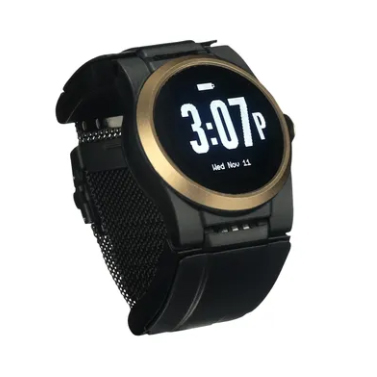
Our mission is to extend independence with dignity for millions of vulnerable people. Read more


All AARP members and Military Veterans receive a FREE month added onto the end of the first year of service (offers cannot be combined). Use coupon code AARP or Veteran during checkout (right before you enter your credit card information) or mention it when ordering over the phone (888-343-1513).
If you want to order multiple watches, great! Otherwise, please click the cart icon and remove any extras from your cart prior to checking out. Contact our sales line at 1-888-343-1513 if you need assistance.

UnaliWear’s patented RealFall™ technology is based on actual fall data from Kanega Watch wearers and gets smarter about each wearer’s personal movements over time— continuously improving fall detection accuracy and limiting/eliminating false alerts. No other medical alert system offers this real fall/related movement learning and continuous improvement technology. Click here to learn more.